
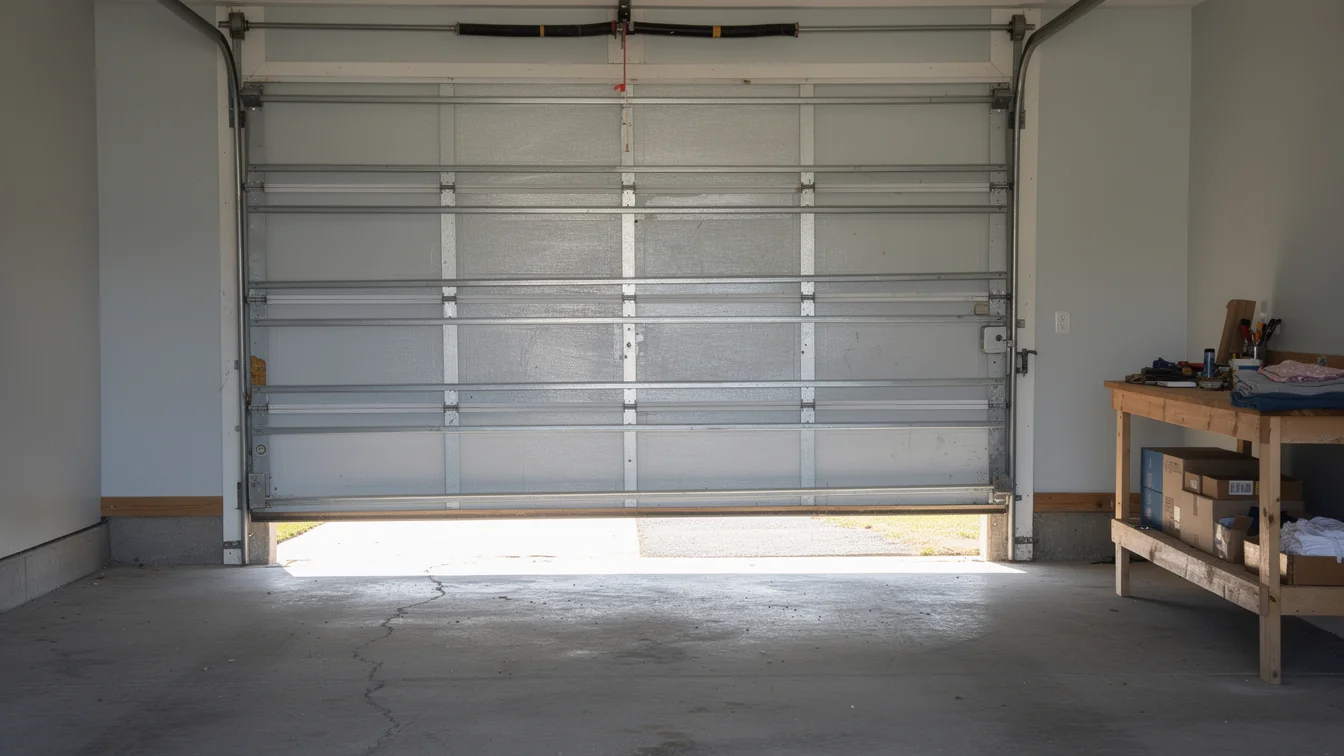
What 1980s Construction Means for Your Garage Door in Oceanside
Most Oceanside garage doors date to the 1970-2003 building boom, before modern insulation code.
Read moreA grinding, popping, or squealing garage door in Oceanside usually traces back to the age of the hardware. Here's how to read the sound before it becomes a stuck door.
Local detail
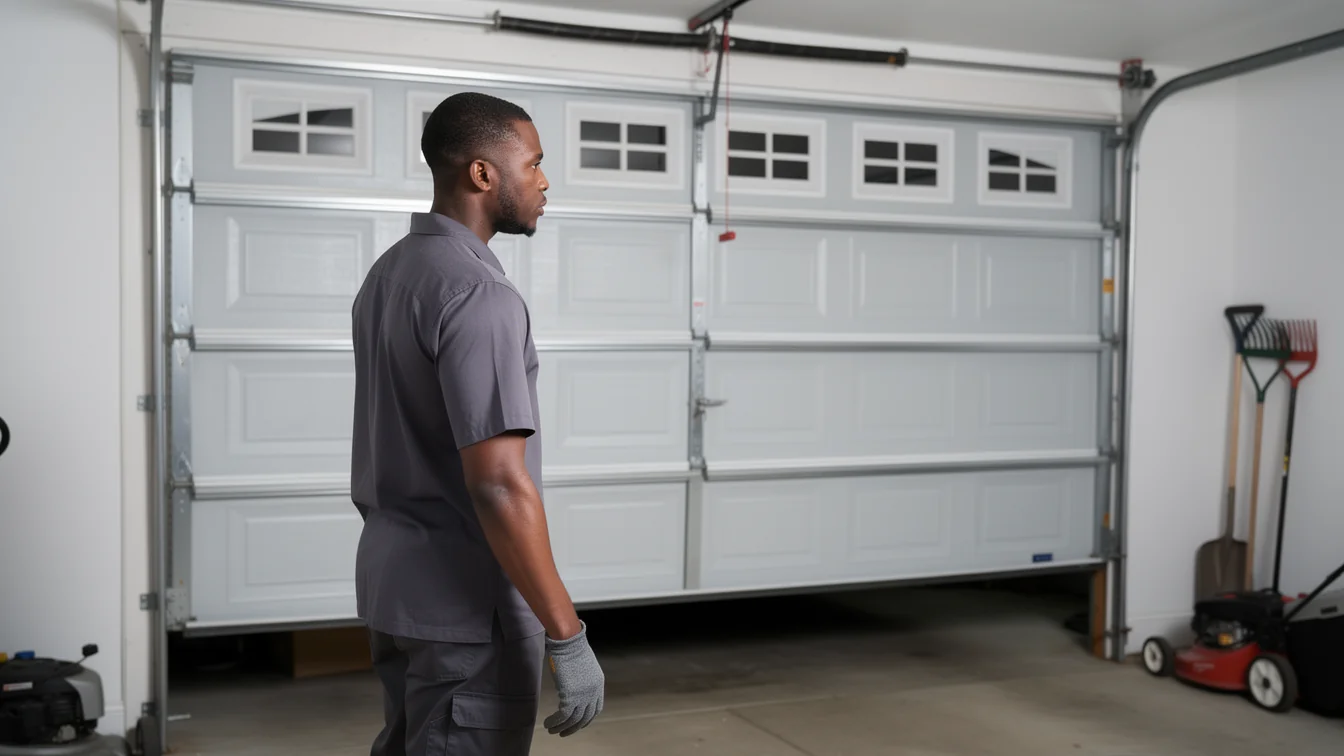
We can't quote a number here without seeing the door, and we're not going to pretend otherwise. What we can tell you is what drives the cost up or down in this area specifically. Housing across the service area went up mostly between 1970 and 2003, with the median sitting around 1982. A door from that era is on original torsion hardware that nobody stocks new anymore - the drum, the shaft, sometimes the whole track system is a size you won't find at a standard supply house. That turns what sounds like a simple spring swap into a parts-sourcing job, which adds time even when it doesn't add much to the bill. On the other hand, houses built later in that range, closer to 2000, often still have hardware that's a direct match to what's on the truck, which keeps a repair quick and contained. The honest limitation: if your door is original to a 1982 build and the track is bent along with the spring, replacement usually makes more sense than chasing parts for a system that age. We'll tell you that straight rather than keep patching it.
The area
Oceanside sits in a mild temperate band, so you're not dealing with the freeze-thaw cycling that snaps springs in colder climates or the swelling and sticking that comes with real humidity swings. That's the good news. The less obvious part is that because the weather here doesn't hand you an obvious culprit, a noisy door tends to get ignored longer than it would somewhere with harsher seasons. There's no cold snap to blame, so a new grind or a new pop just gets written off as "it's always done that" rather than acted on. We don't have seasonal failure-rate data to back a claim about spring breakage spiking in any particular month here, so we won't make one up. What we will say is that mild conditions mean a door's condition is driven almost entirely by age and use, not by weather stress. If a door here is making noise, the climate isn't masking a real problem underneath - the noise is the problem, and it's usually mechanical wear that's been building for years rather than something the season triggered.
What we find
The service area breaks into a set of named neighborhoods close in, each with a similar story: Ivey Ranch and Rancho Del Oro sit right at the center, with San Luis Rey, Peacock, Mira Costa, Loma Alta, Guajome, Fire Mountain, East Side Capistrano, Morro Hills, South Oceanside, and Townsite all within about five miles, plus Camp Pendleton South a touch farther out. Across those areas, the housing stock is mostly 1980s and 90s construction. That matters for noise diagnosis because it tells us, before we even get to the door, roughly what kind of spring system, track width, and opener-mounting style we're going to find. With 25,689 owner-occupied houses in the broader service area and a median household income of $110,316, this isn't a market of deferred-maintenance rentals - most of these doors have been kept running, just not necessarily rebuilt. So when we get a call from Fire Mountain or Morro Hills describing a popping sound on lift, we're already narrowing it down to a handful of likely original-hardware issues rather than starting from zero.
How we work
A sharp pop on the way up, once, right at the start of the lift - that's usually a torsion spring that's lost tension or is close to failing outright, common on doors original to the 1970-2003 housing wave this area is built from. A steady grinding the whole way up or down points to rollers, especially the nylon ones that were standard on doors from the 1980s and 90s and have simply worn down after decades of cycles. A rhythmic clunk at the same spot every time is almost always a bent track section or a loose roller bracket, not the opener. A high-pitched squeal that comes and goes with humidity or temperature is rare here given the mild climate, so if you're hearing that, we'd look at a dry hinge pin before anything bigger. None of these are emergencies by themselves, but a door making noise on an original 1980s torsion system is a door that's closer to a cable snap or a full spring failure than a quieter one, simply from age and cycle count.
Questions
That single loud pop at the start of lift is a classic sign of a torsion spring losing or dropping tension, which is common on doors original to the 1970-2003 housing stock in this area. It's not an emergency in the sense of the door falling, but it does mean the spring is near the end of its life and should get looked at before it breaks fully, which can happen without warning.
Constant grinding over the full travel of the door almost always points to worn rollers, especially the original nylon rollers that shipped on most doors built in the 1980s and 90s across this service area. After decades of daily cycles those rollers flatten or crack. It's a straightforward fix on its own, but worth checking the track at the same time since worn rollers often wear the track unevenly too.
Probably not directly. Oceanside's mild temperate climate means you don't get the freeze-thaw stress or heavy humidity swings that cause weather-driven noise in other regions. Most noise complaints we hear here trace back to age and wear on original hardware rather than anything seasonal, so if your door suddenly got louder, look at the springs and rollers before blaming the weather.
If your house dates to the early part of the 1970-2003 build range common in this area, the door is likely on hardware nobody stocks new anymore. A single roller or cable swap is usually worth doing. But if the track is bent along with worn springs, sourcing matching parts for a 40-plus-year-old system often costs more in time than a straight replacement would.
Recommendation
More garage door guides for Oceanside homeowners.
Most Oceanside garage doors date to the 1970-2003 building boom, before modern insulation code.
Read more
Why Oceanside's 1970s-2003 housing stock and mild coastal climate shape opener failures and power-cut backup needs, and what actually drives the repair cost here.
Read more
A straight look at what an Oceanside garage door service call covers, tied to the 1970-2003 housing stock and mild coastal climate common across the area.
Read moreReady when you are
Oceanside Garage Door Pros repairs and installs garage doors, springs and openers in Oceanside, CA and the surrounding area.