
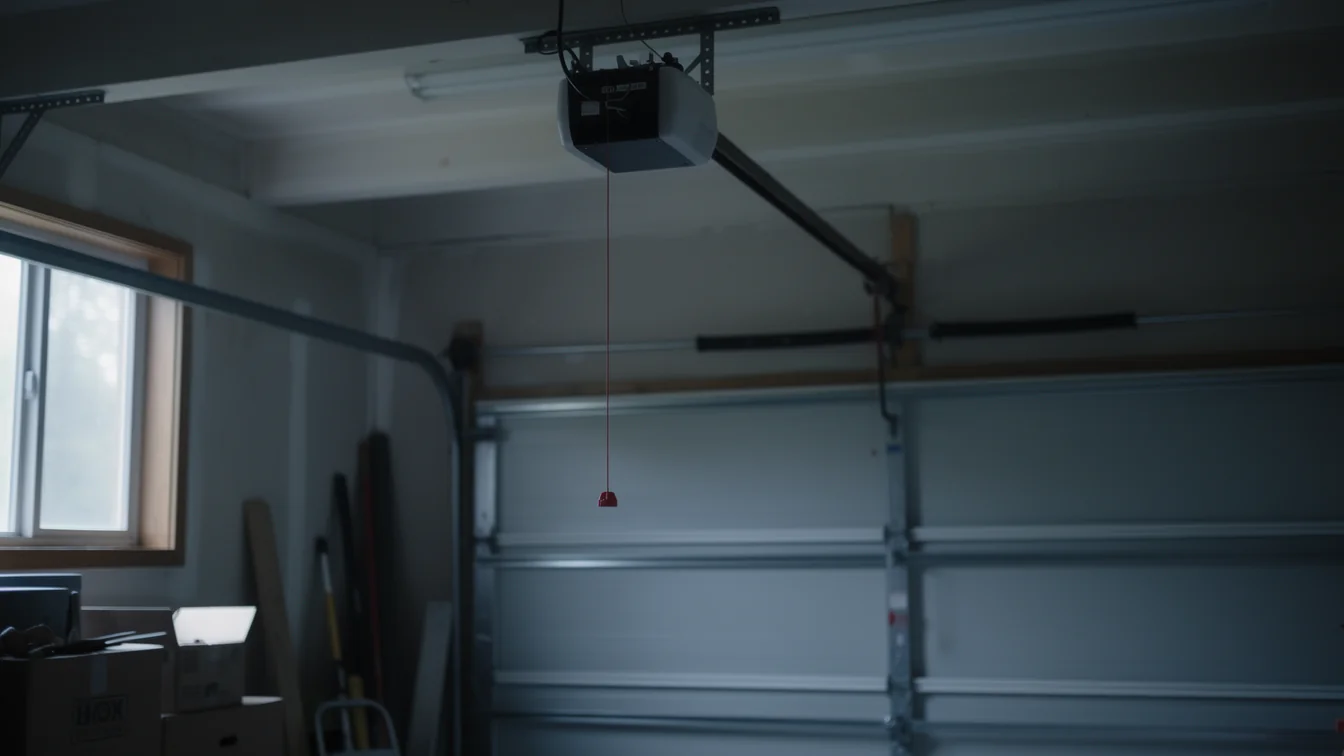
Openers and Power Cuts in Oceanside Homes
Why Oceanside's 1970s-2003 housing stock and mild coastal climate shape opener failures and power-cut backup needs, and what actually drives the repair cost here.
Read moreWhy springs fail on Oceanside's 1970-2003 housing stock, what a mild coastal climate changes (and doesn't), and what actually drives the repair cost.
Local detail
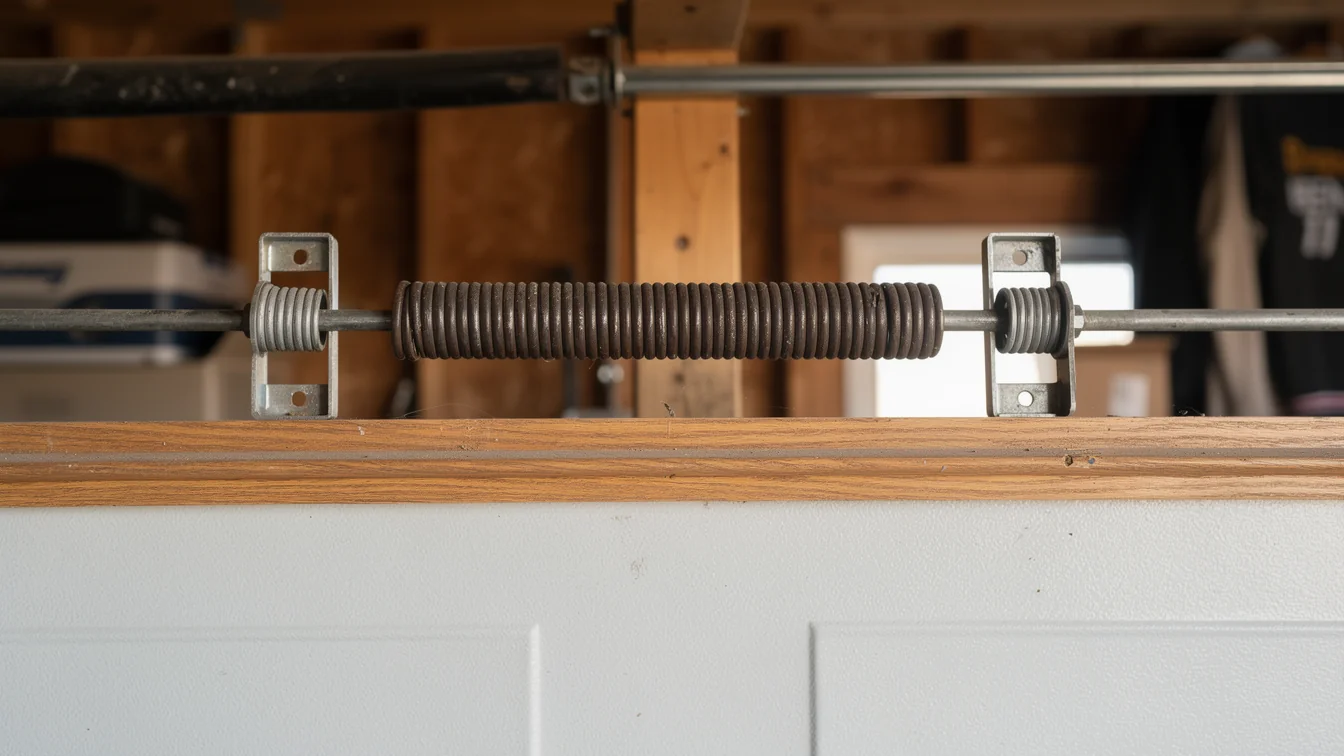
What a spring job costs here comes down to what's on the door, not the calendar. Oceanside's housing stock mostly went up between 1970 and 2003, with a median build year around 1982. That means a lot of torsion springs and extension springs that are original to the house or at least original to the last owner - galvanized coils sized for whatever door shipped with a 1980s or 90s tract build. Those springs have a fixed cycle life. A single spring on a 16-foot double door works harder than a pair on two single doors, and if the opener has been straining against a weak spring for months, that gets factored in too. We don't quote a number without seeing the door, the spring size, and whether one spring or two need replacing - a page that promises a flat price before looking at the hardware is guessing. One honest limit: if the drums, bearing plates, or track are also worn from the same age, replacing just the spring is a patch, not a fix, and we'll say so before we take the job.
The area
Oceanside sits in a mild temperate band - no hard freeze, no deep cold snap that shrinks steel coils overnight the way it does inland or up north. That changes the usual spring-failure story. In a lot of the country, a spring that's been weakening all year finally snaps on the first cold morning because the metal contracts and the cycle count tips over the edge. Here, there's no comparable seasonal spike tied to temperature. What we see instead is steady, year-round fatigue: a spring built in 1982 or 1995 has been through tens of thousands of lift cycles regardless of the season, and it lets go on an ordinary Tuesday as easily as a cold one. If you've read that cold weather is what kills garage door springs, that's true in plenty of places - it's just not the main driver of the calls we get in this climate band.
What we find
Across the service area - from Ivey Ranch and South Oceanside out through Fire Mountain, Loma Alta, Guajome, and Morro Hills, plus the wider stretch toward San Luis Rey and Peacock - the housing is largely from that same 1970s-to-2003 window. That consistency matters more than most homeowners expect: a torsion spring sized for a builder-grade door in 1985 isn't rated for forever, and thirteen named pockets of roughly same-era construction means a lot of springs are aging out around the same time. With 25,689 owner-occupied houses among 63,814 households in the area and a median household income of $110,316, replacement parts and upgraded hardware are generally within reach when a spring finally goes - this isn't a market where people are stretching a dying spring for years past its service life out of necessity.
How we work
Put it together and the pattern here isn't weather-driven, it's age-driven. A door that's 30 to 50 years old, in a climate that doesn't put extra stress on the steel through freeze-thaw cycling, fails because the spring simply reaches the end of its rated cycle count - not because of a cold night. That's a different diagnosis than you'd get in a harsher climate, and it changes what we check first: cycle wear and corrosion on the coil, not temperature-related brittleness. If your door is original to a 1980s or 90s build and you're hearing a loud bang followed by a door that won't lift, that's almost always exactly this - an old spring finishing out its life on an unremarkable day.
Questions
Not the way it does in colder regions. Oceanside sits in a mild temperate climate band with no hard freeze, so there's no seasonal spike from steel contracting in a cold snap. Most failures here trace back to a spring simply reaching the end of its cycle life - more common in houses built in the 1970s through the 1990s that still have original hardware.
Because so much of the housing stock across the area went up in a tight window, roughly 1970 to 2003 with a median around 1982. Springs installed with those original builds are now decades old and hitting the end of their rated cycle count around the same time, regardless of what season it is.
We look at the door first - single spring or a pair, torsion or extension, the size and weight of the door, and whether drums or bearings are also worn. We don't give a number until we've seen the hardware, because a flat quote over the phone usually misses something that matters once we're on site.
Recommendation
More garage door guides for Oceanside homeowners.
Why Oceanside's 1970s-2003 housing stock and mild coastal climate shape opener failures and power-cut backup needs, and what actually drives the repair cost here.
Read more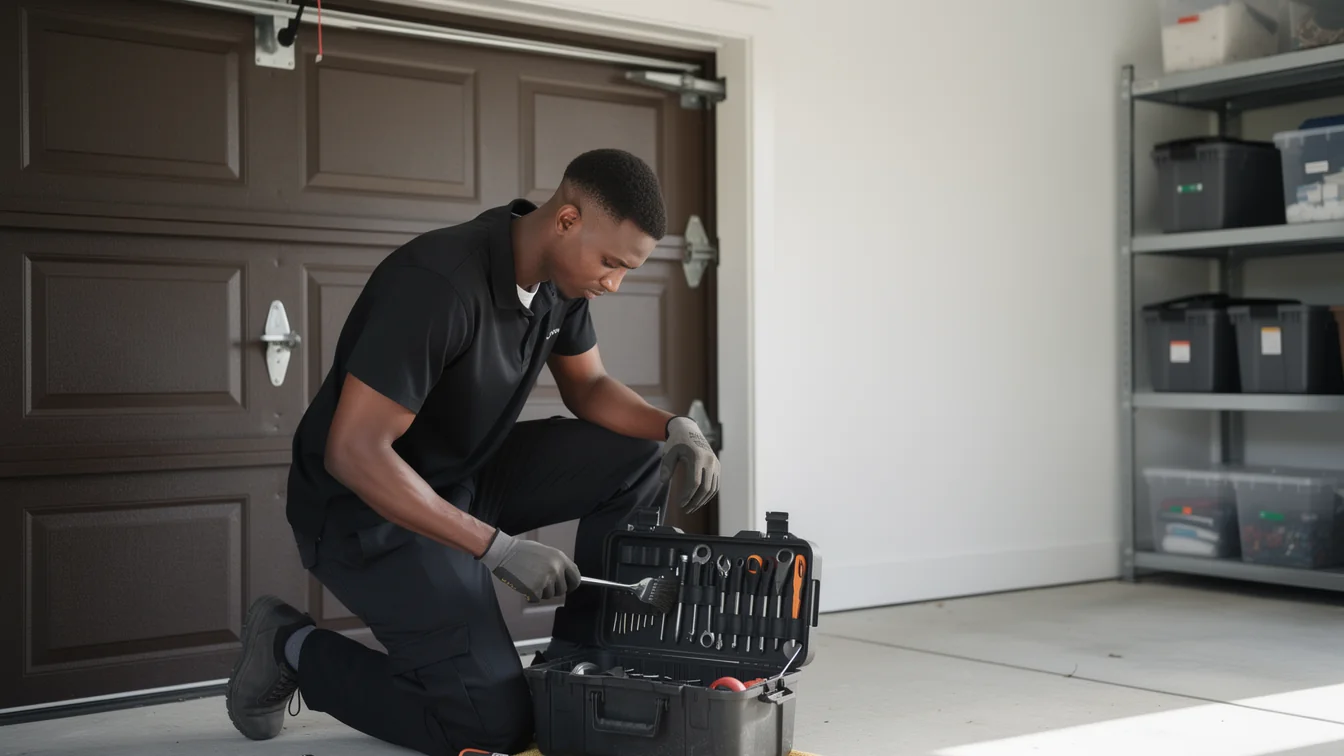
A straight look at what an Oceanside garage door service call covers, tied to the 1970-2003 housing stock and mild coastal climate common across the area.
Read more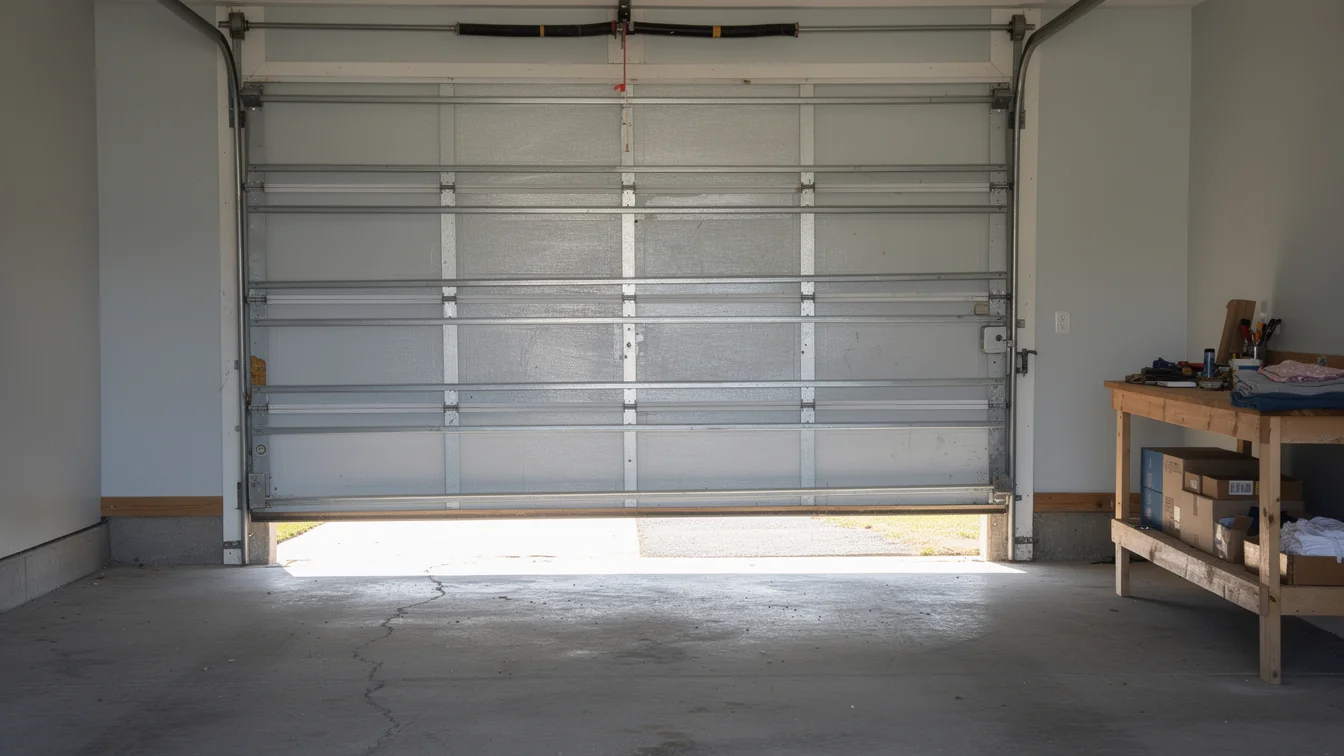
Most Oceanside garage doors date to the 1970-2003 building boom, before modern insulation code.
Read moreReady when you are
Oceanside Garage Door Pros repairs and installs garage doors, springs and openers in Oceanside, CA and the surrounding area.