
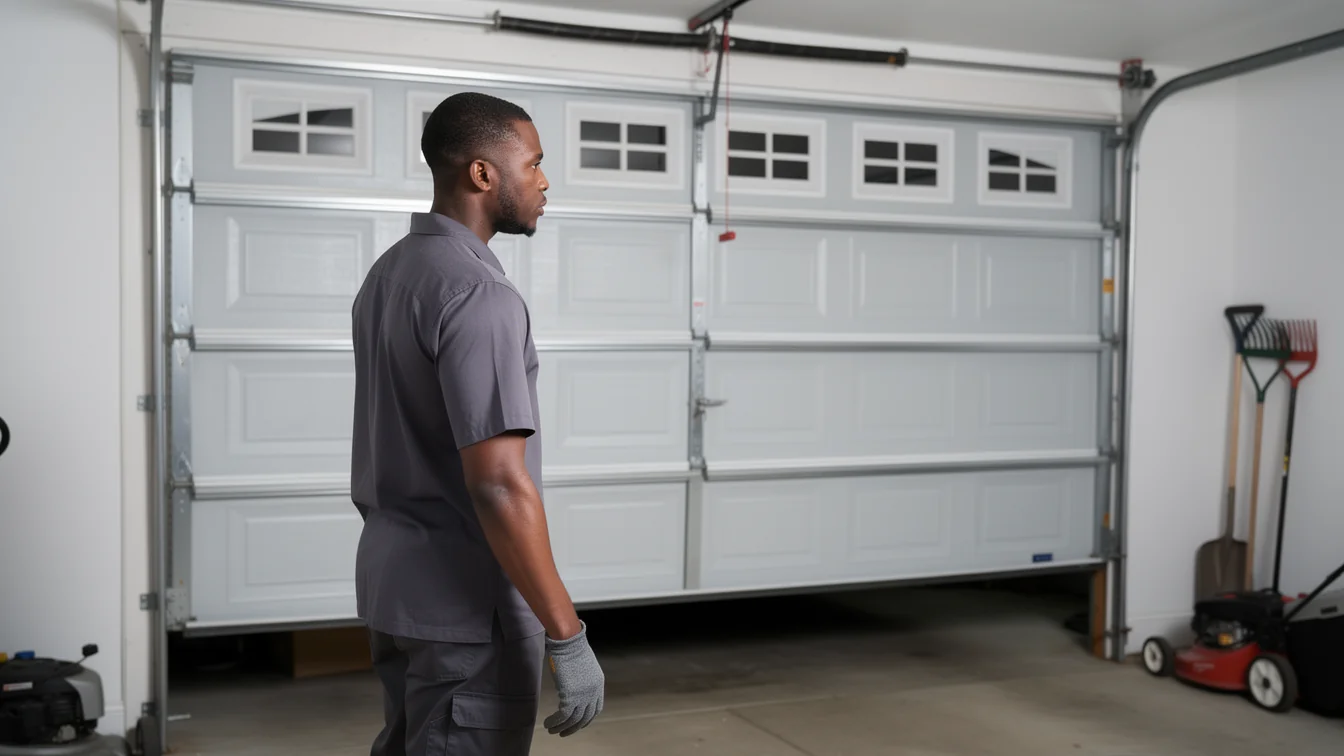
What That Grinding, Popping, or Squeaking Sound Actually Means
A grinding, popping, or squealing garage door in Oceanside usually traces back to the age of the hardware.
Read moreMost Oceanside garage doors date to the 1970-2003 building boom, before modern insulation code. Here's what that means for repair, parts, and seasonal upkeep.
Local detail
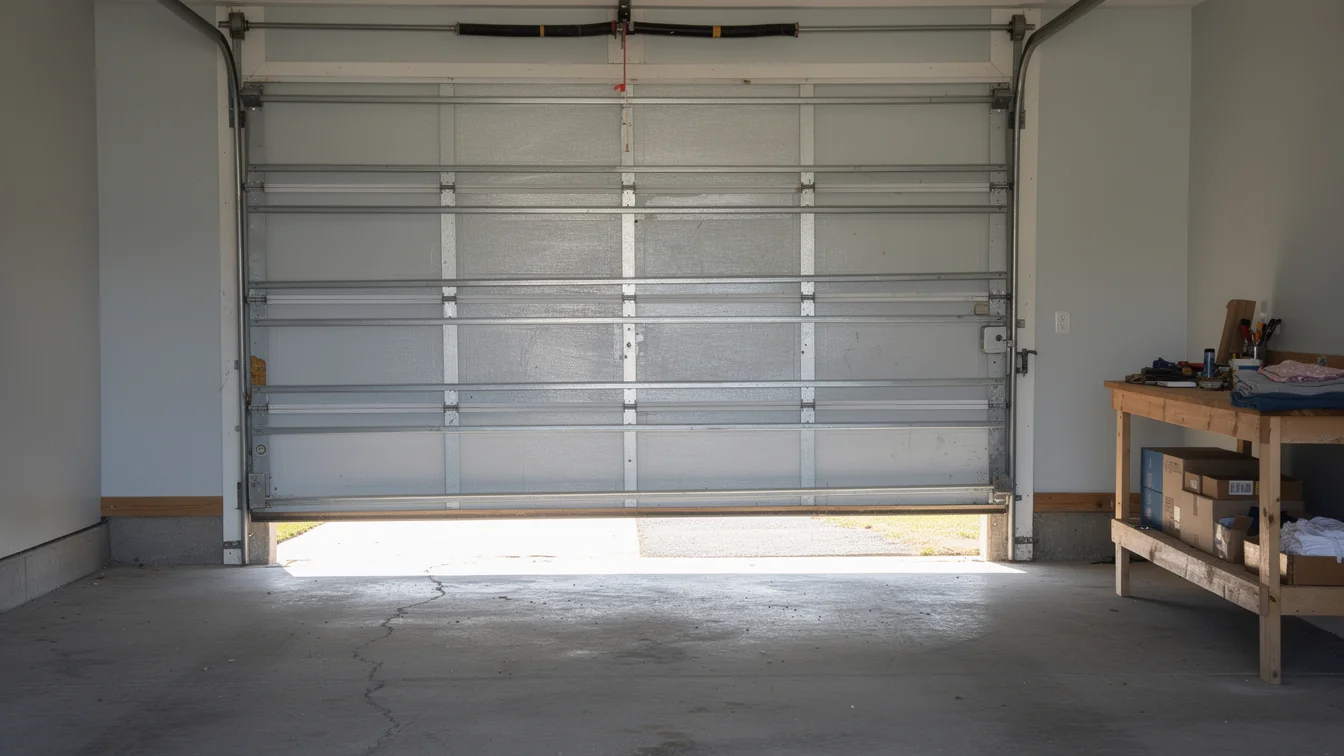
We can't give you a number without seeing the door, and anyone who quotes a price over the phone for a spring or opener job is guessing. What we can tell you is what drives the cost up or down on a house like yours. Oceanside's housing stock mostly went up between 1970 and 2003, with the median build year sitting around 1982. Doors from that window are usually single-layer steel, no foam core, hung on hardware that was never built to current insulation code. That matters because a straight swap-in replacement spring or roller set is cheap and fast. Swapping the whole door for an insulated one, because the old panel finally delaminated or the steel rusted through at the bottom corner, is a bigger job with a bigger bill. The honest limitation here: if your door is original to a house built in the early 1980s, we're often not matching parts off a shelf. Torsion hardware and track widths shifted over those three decades, so a same-day fix sometimes means ordering the right spring rather than grabbing a generic one. That lead time is the actual cost driver more often than labor.
The area
Oceanside sits in a mild temperate band, so you're not dealing with the freeze-thaw cycle that snaps springs in colder regions or the extreme heat that warps panels inland. That's the good news. The catch is that mild doesn't mean static. Steel torsion springs still lose tension gradually with every open-close cycle regardless of weather, and on a door built before insulation rules, there's less in the way of a foam core to buffer daily temperature swings on the panel itself. You won't see the dramatic seasonal spring failures that show up in harsher climates, but you will see gradual wear: dried-out rollers, hardware that's been sitting un-lubricated for years because nobody thought winter maintenance applied here. The honest answer is that the mild climate buys you time, not immunity. A once-a-year check of the springs, cables, and rollers still catches problems before they become a Saturday morning the door won't open. Houses from the 1980s and 90s stock common across this area weren't built with the kind of weatherstripping or insulated panels that newer code requires, so the gap around the door is usually the first place you'd feel any seasonal shift, even a mild one.
What we find
The service area covers roughly thirteen named neighborhoods, from Ivey Ranch and Rancho Del Oro right at the center out to South Oceanside, San Luis Rey, Mira Costa, Loma Alta, Guajome, Fire Mountain, East Side Capistrano, Morro Hills, Peacock, and Townsite, all within a few miles of each other. Across nearly all of them, the housing stock is the same story: 1980s and 90s construction, built to the codes of that era, not today's. That's a bigger deal for garage doors than most people think, because the door is usually the largest moving mechanical assembly on the house and the one most tied to the building code of the year it went up. A door installed in 1985 wasn't required to meet the insulation standards that apply to new construction now, and most of these original doors are still single-wall steel or, in some neighborhoods, older wood composite that's long past its service life. We see the same handful of failure patterns across these areas: original torsion springs well past their cycle count, galvanized hardware that's outlived its lubrication schedule, and openers from the 1990s with mechanical safety reversal instead of the photo-eye sensors required today.
How we work
With 25,689 owner-occupied houses out of roughly 63,814 households in the service area, and a median household income of $110,316, a lot of homeowners here are weighing a straightforward question: fix the door that's been there since the house was built, or replace it. There's no universal right answer, and we won't pretend there is. A door from the 1980s-2003 window with a cracked panel and a tired spring is often worth repairing if the track and opener are sound. A door with rot at the bottom section, a bent frame, or an opener that's not compatible with current safety sensor requirements is usually not worth chasing with patch repairs. The income and ownership numbers here mean replacement is a realistic option for a lot of the households we see, not just a stopgap repair, so we try to say plainly when a repair is a short-term fix versus a long-term one. What's actually going on across this part of the service area is a wave of original garage doors reaching the end of a normal service life at roughly the same time, because the houses around them were mostly built in the same two-and-a-half-decade stretch.
Questions
It's common. Most houses in this service area went up between 1970 and 2003, with a lot of that stock concentrated in the 1980s and 90s, and original doors from that era were often never replaced. If yours still has the factory springs and no insulated panel, it's likely original.
Spring size, track width, and panel material vary even among houses built the same year, and we don't guess on a job we haven't looked at. A door from the 1980s-2003 building window often needs parts matched to its specific hardware, which we confirm in person before quoting.
It means fewer sudden failures from extreme cold or heat, but springs still wear out from cycle count, not just weather. A door built before current insulation code has less buffer against daily temperature shifts, so an annual check still matters even in a mild band.
If the track, opener, and frame are sound, repairing an aging spring or panel usually makes sense. If there's rot, a bent frame, or an opener missing current safety sensors, replacement is usually the better long-term move, especially on original 1980s-era doors.
Recommendation
More garage door guides for Oceanside homeowners.
A grinding, popping, or squealing garage door in Oceanside usually traces back to the age of the hardware.
Read more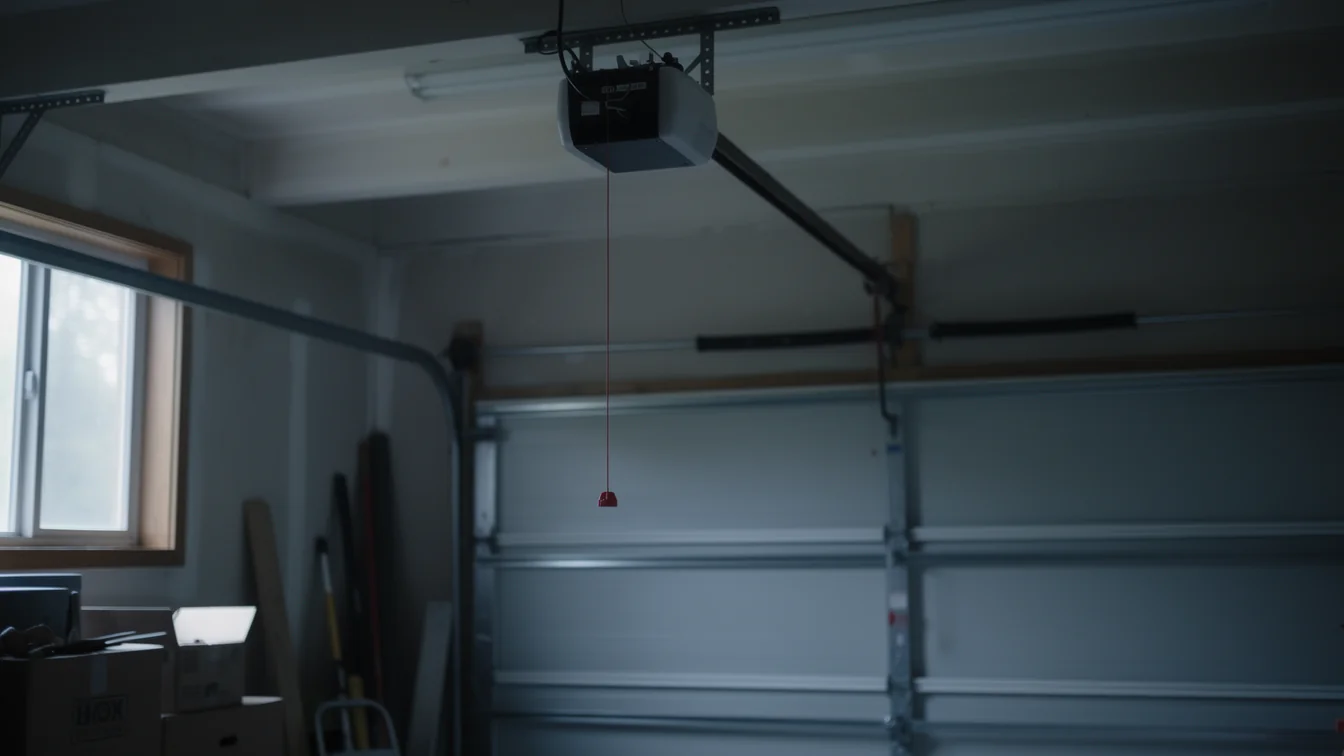
Why Oceanside's 1970s-2003 housing stock and mild coastal climate shape opener failures and power-cut backup needs, and what actually drives the repair cost here.
Read more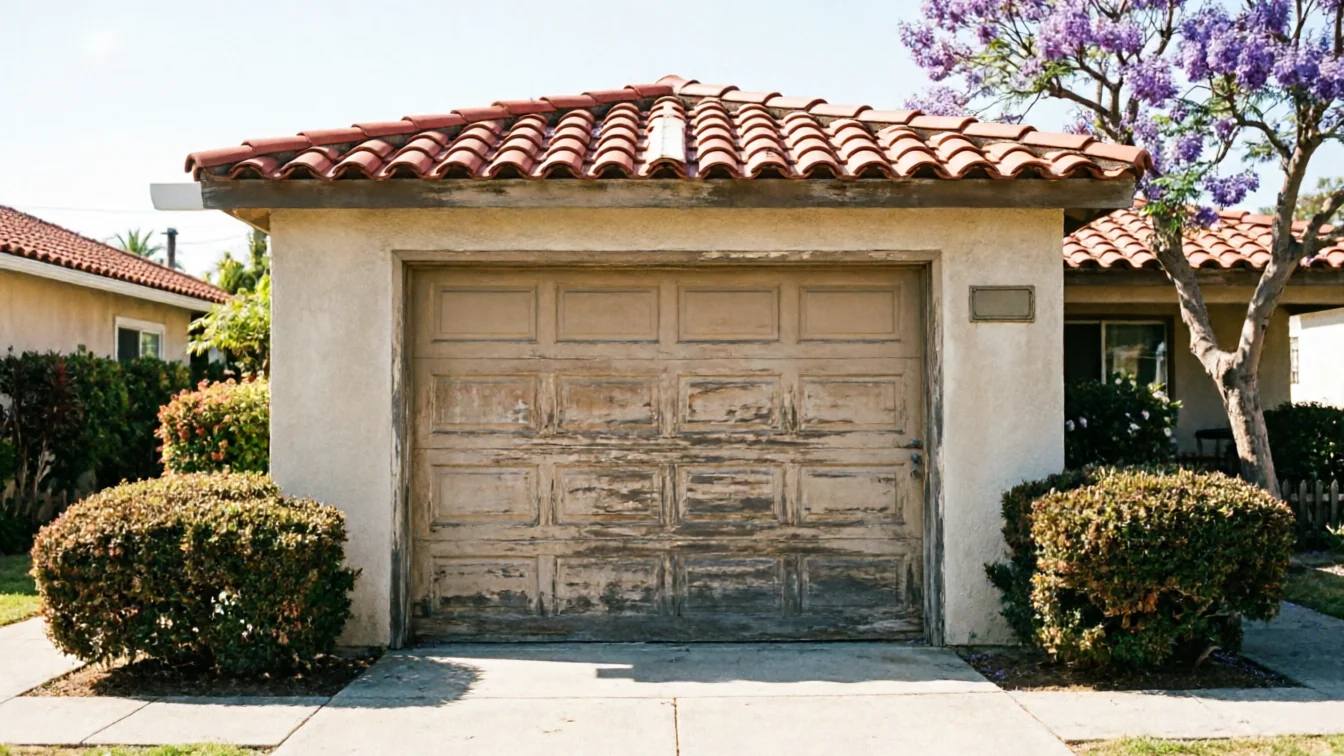
Oceanside homes mostly date 1970-2003.
Read moreReady when you are
Oceanside Garage Door Pros repairs and installs garage doors, springs and openers in Oceanside, CA and the surrounding area.