
Bottom brackets and hinges
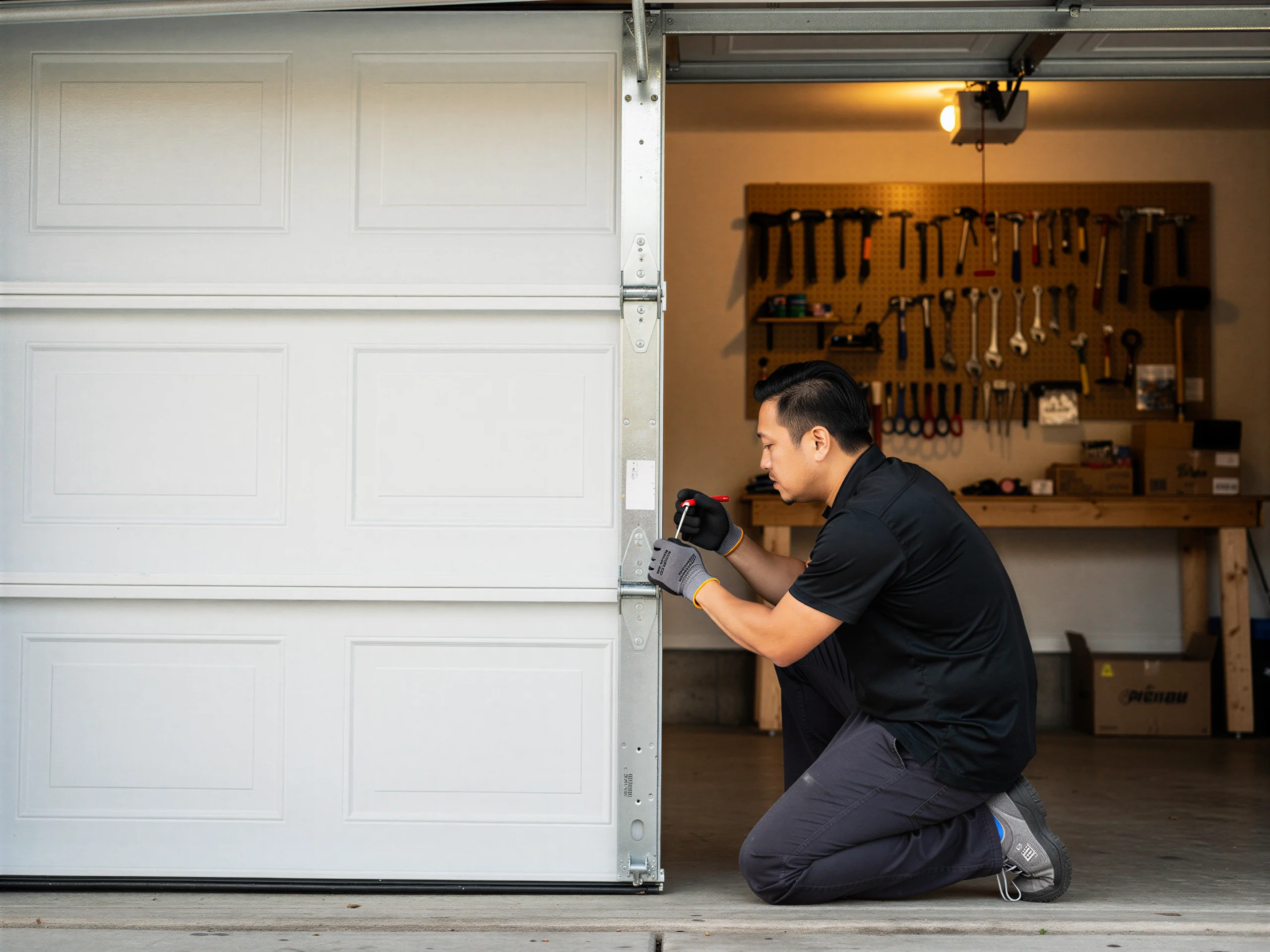
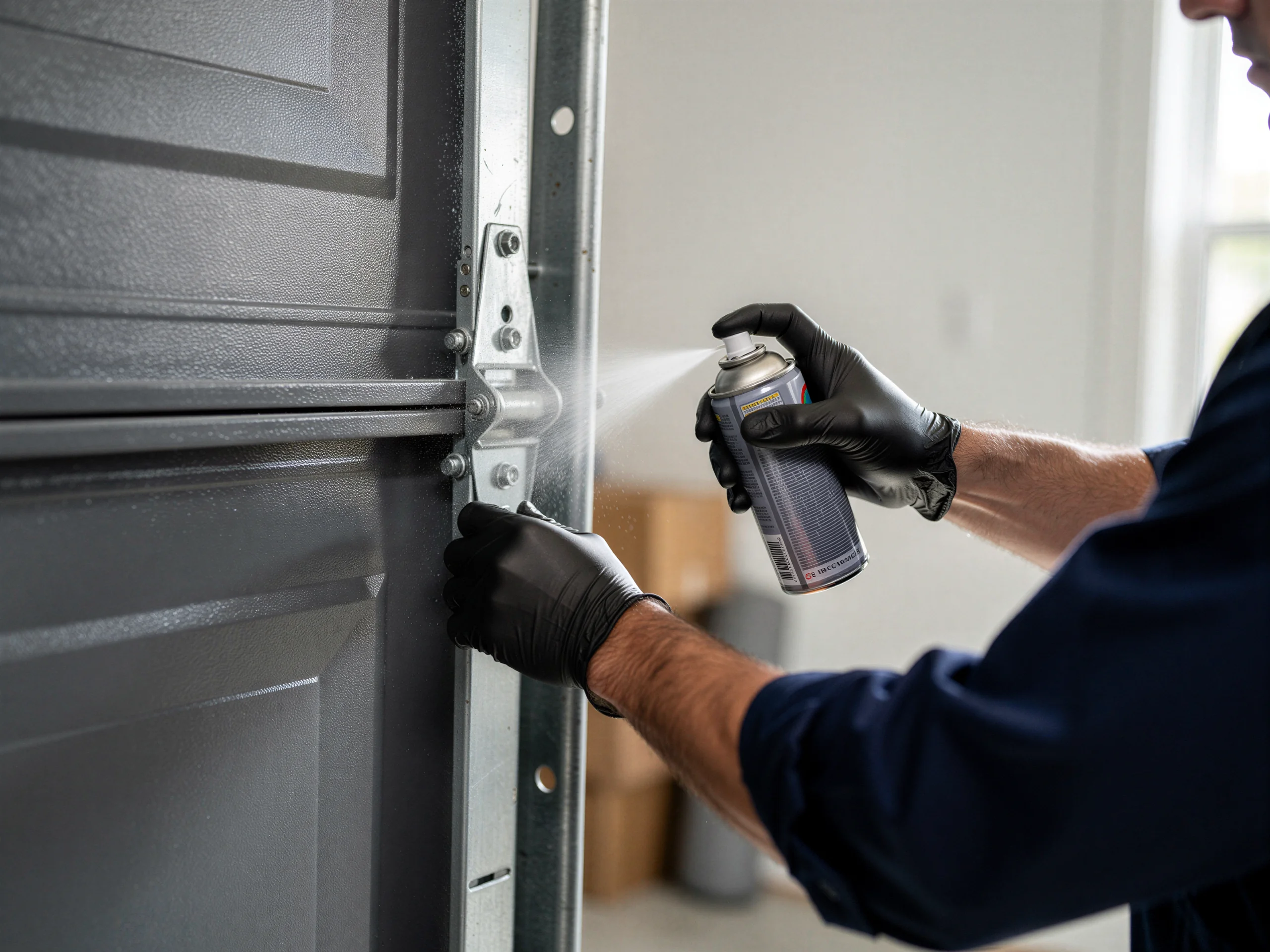
We also carry replacement bottom brackets and hinges more often than you'd think, since those are the first parts to show pitting from salt exposure near the coast. We don't keep every obscure part on the truck.
 Oceanside, CA
Garage door repair for Oceanside homes built 1970-2003, where original torsion hardware and salt-air corrosion wear out rollers, cables, and openers first.
Local causes
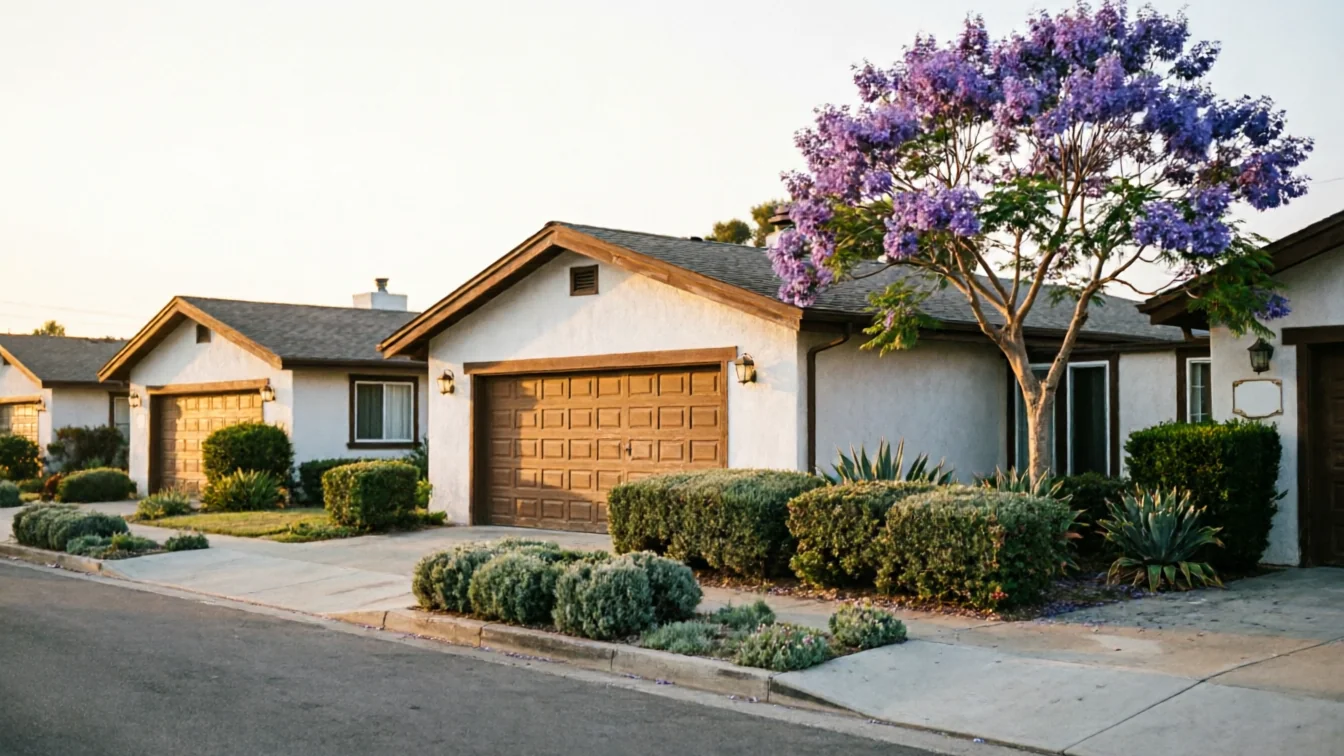
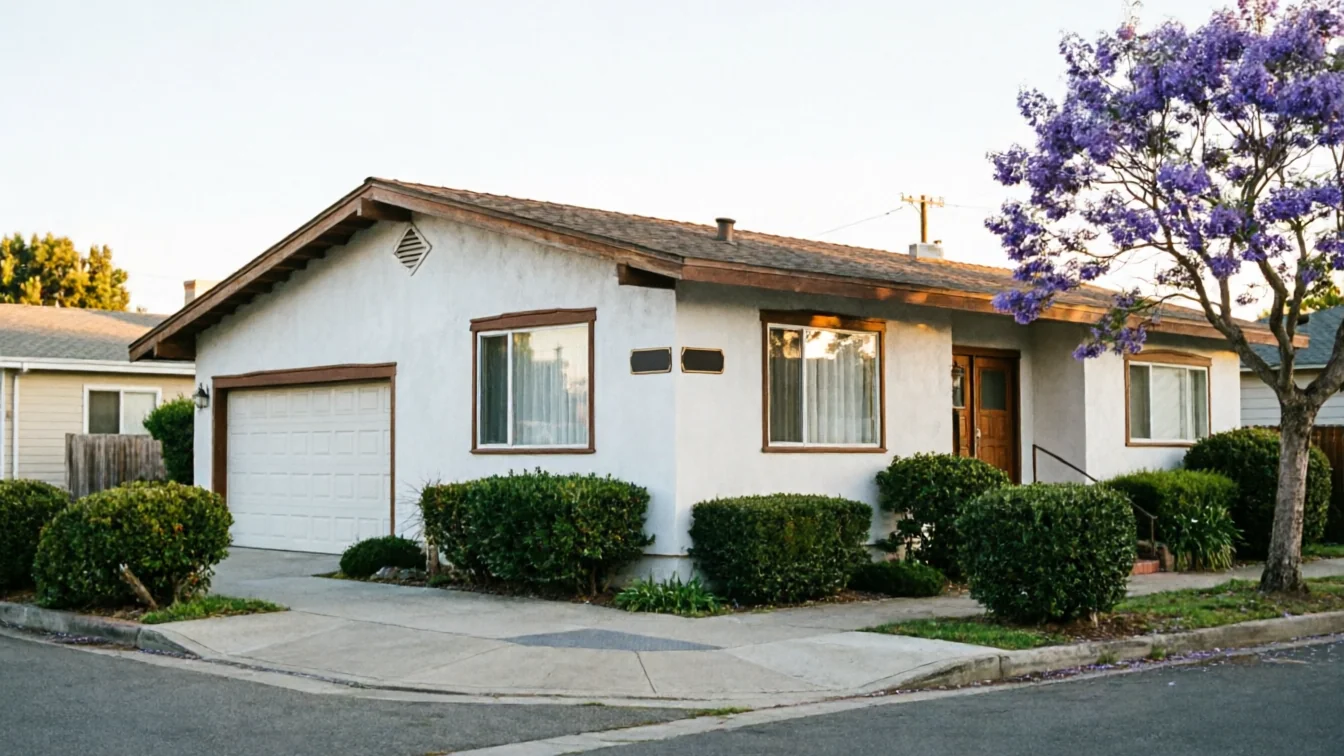
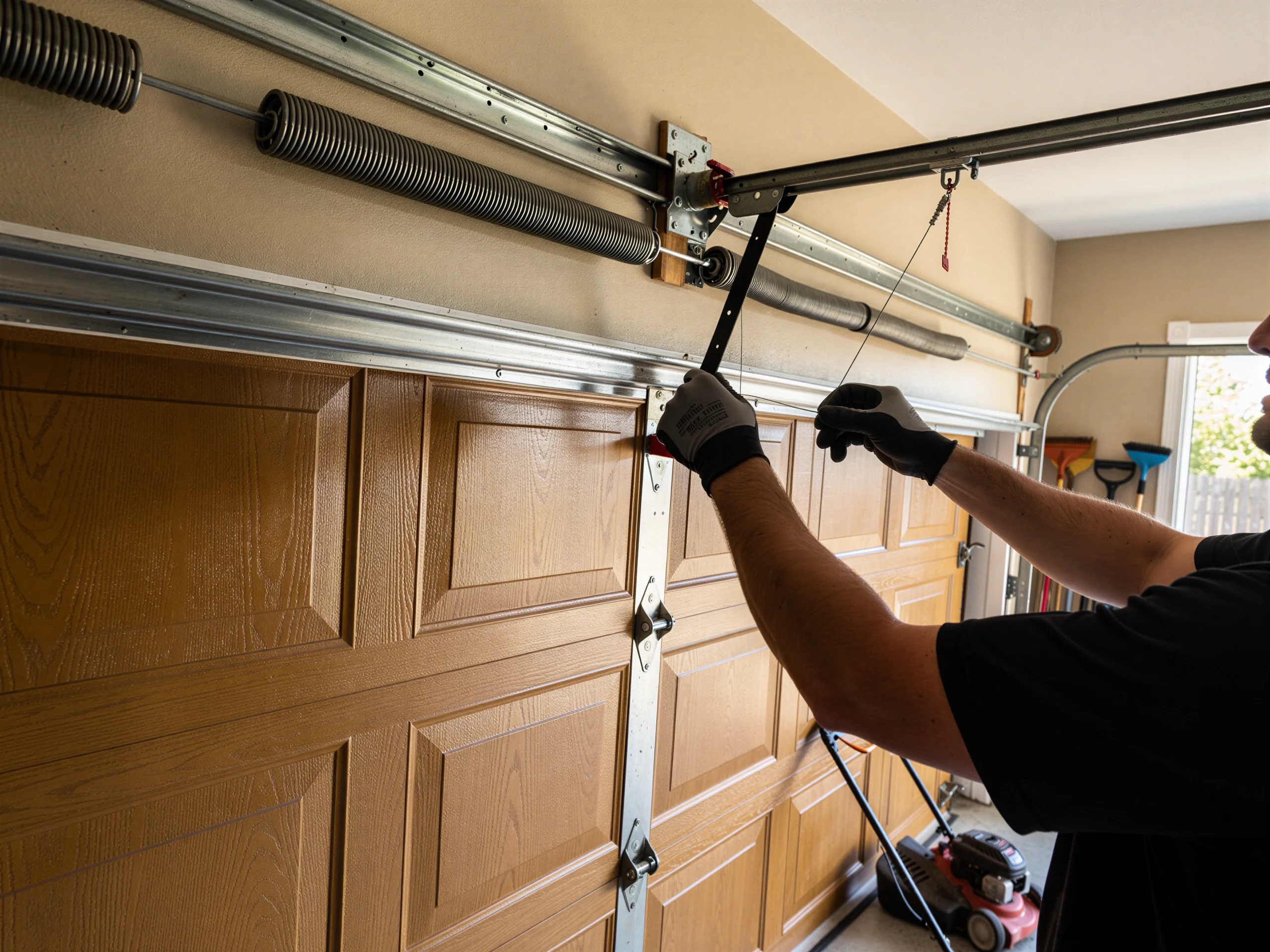
Most houses across Oceanside's 13 named neighborhoods went up between 1970 and 2003, with the median build year sitting around 1982. That means a lot of garages are still running the torsion spring and track hardware the builder installed, now pushing 40-plus years of cycles. Springs rated for a certain number of door cycles don't care how mild the weather is outside; they just wear out, and a lot of them are due or overdue.
The mild temperate climate here helps compared to places with hard freezes or desert heat swings, but it isn't neutral. Being this close to the coast (areas like South Oceanside and Townsite sit within a few miles of it) means steady exposure to salt-laden air, and that air gets into exposed springs, hinges, and bottom brackets faster than people expect. We see corrosion-driven failures on hardware that would otherwise still have life left in it, especially on doors facing west or south where the sea breeze hits hardest.
So the common failure pattern in this service area isn't dramatic storm damage - it's slow mechanical fatigue from age (1970s-90s stock, per F1/F2) compounded by coastal air. A spring that might last another five years inland can snap here without that extra corrosion resistance.
On the truck
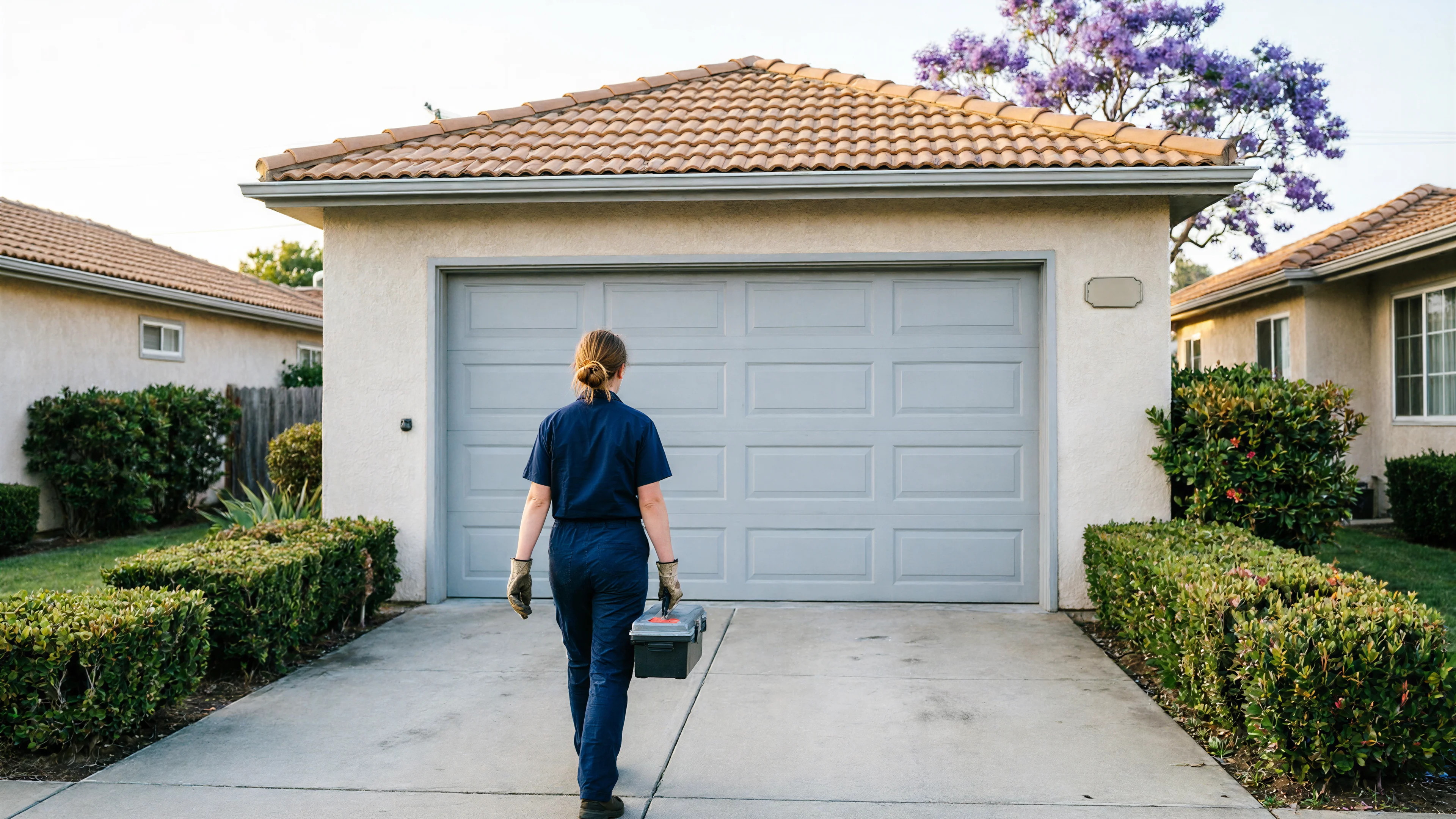
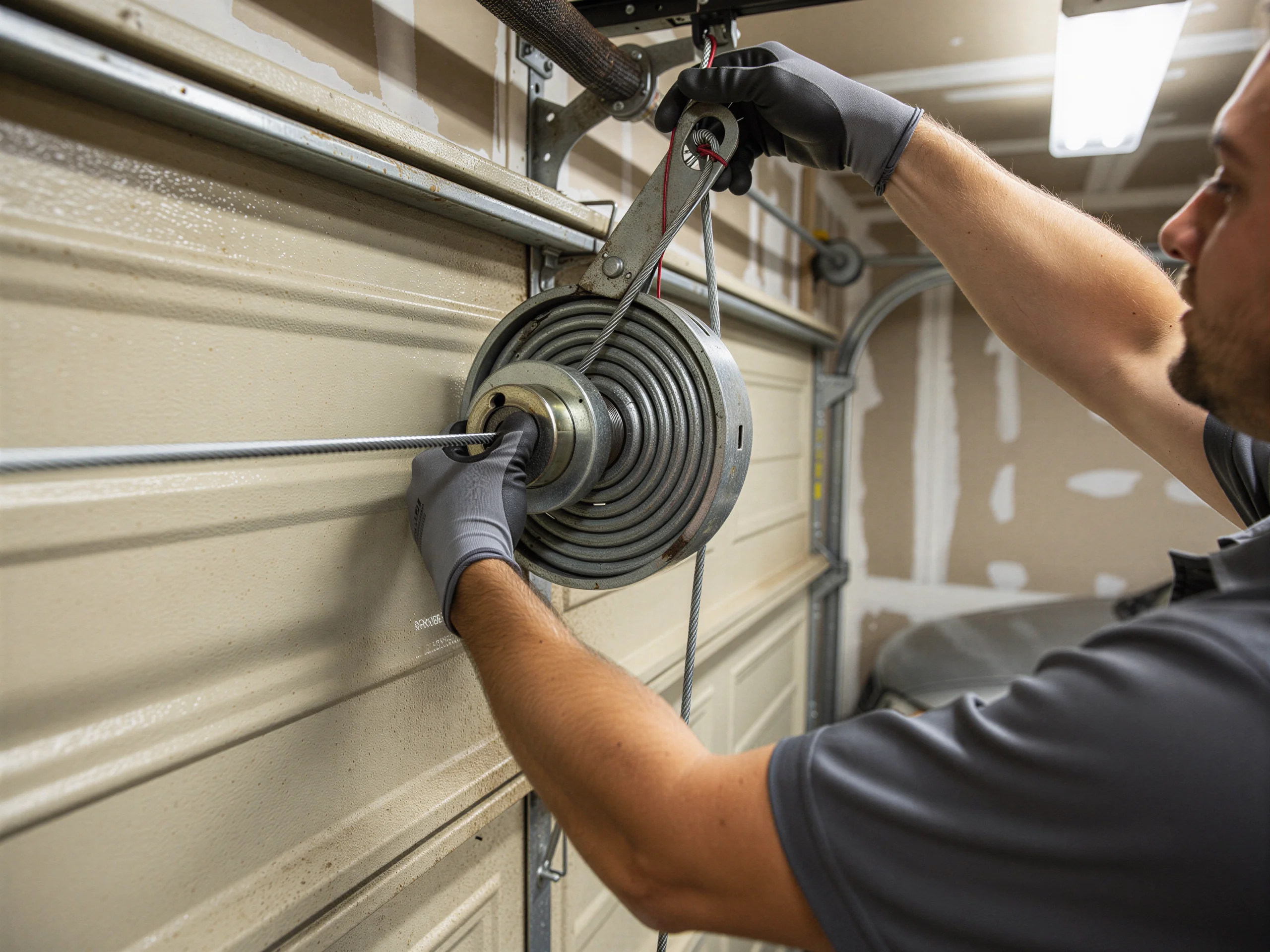
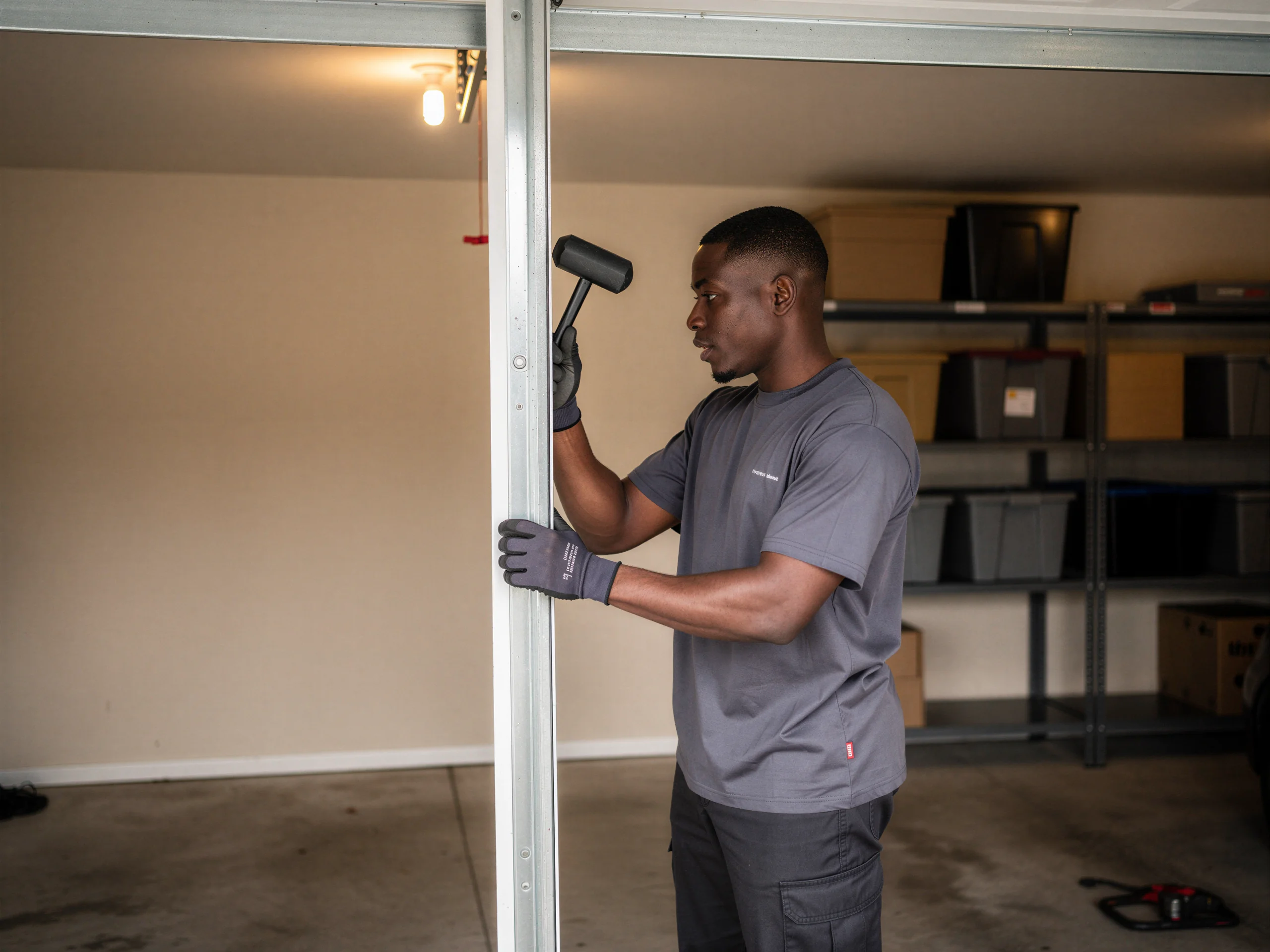
Because so much of the housing stock here dates to the 1980s and 90s, we stock the parts that fail on doors of that era: torsion springs sized for the standard single and double door openings builders used then, galvanized lift cables, steel rollers, and center and end bearing plates.
We also carry replacement bottom brackets and hinges more often than you'd think, since those are the first parts to show pitting from salt exposure near the coast. We don't keep every obscure part on the truck.
If your door is an older custom size or a less common opener model, that part may need to be ordered, and we'll tell you that up front rather than guess at a fix.
For the common torsion-spring, roller, and cable jobs that make up most of what we see on 1970s-2003 construction in this area, we're usually carrying what's needed the day we show up.
Symptoms
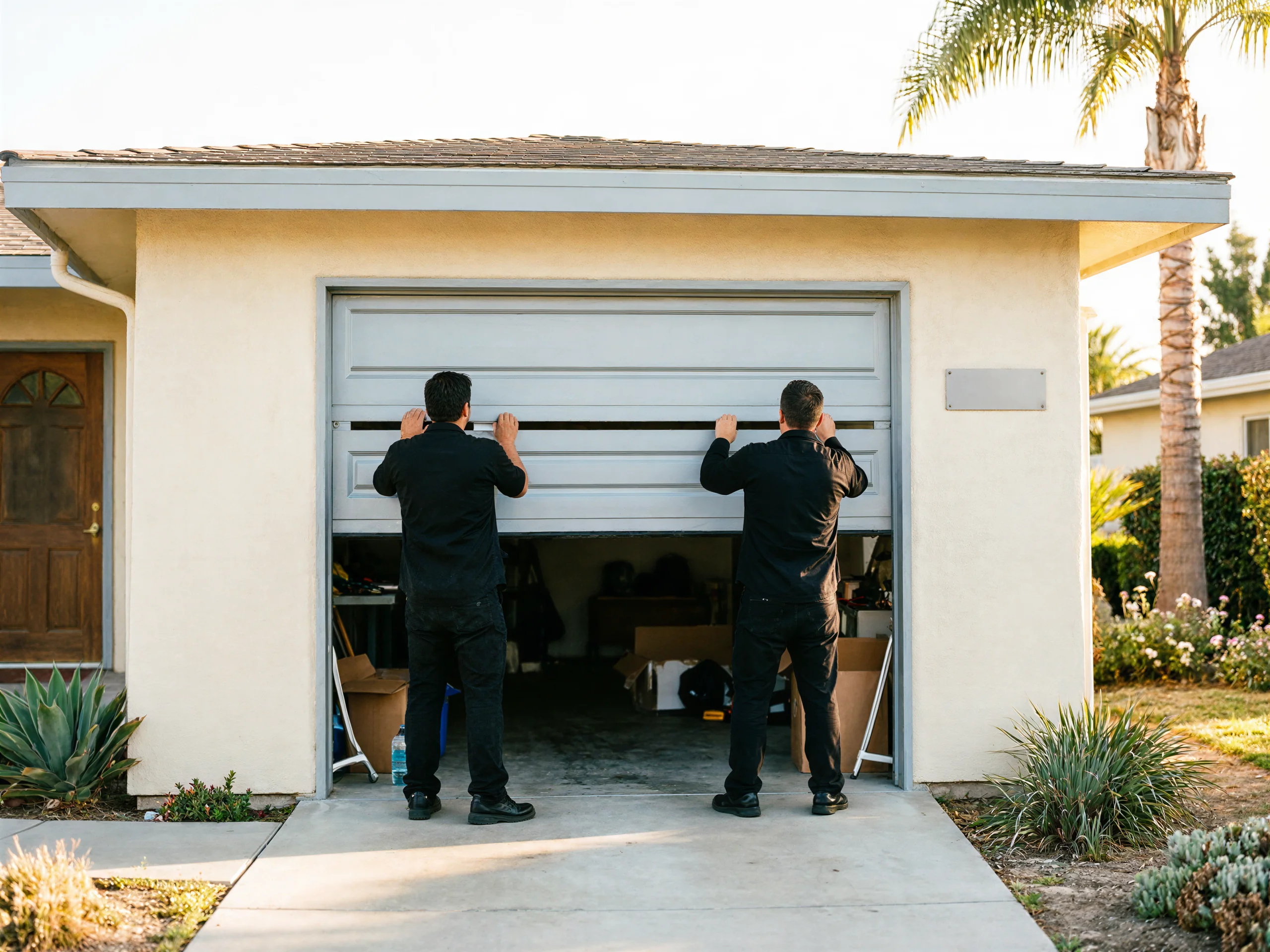
The most common call we get is a door that won't open, or one that opens partway and stops. On a torsion spring house from this era, that's almost always the spring - either snapped clean (you'll hear a loud bang, sometimes mistaken for something falling) or wound down enough that the opener can't lift the weight on its own.
A second common pattern, especially on doors near the coast, is a door that sounds rough or grinds partway through its cycle before anything actually breaks. That's usually corroded rollers or a bent track, not the opener. Owners often replace the opener first because it's the visible motor, when the real problem is downstream mechanical wear on hardware original to a house built decades ago. If your door is slow, noisy, or uneven side to side before it fails outright, that's worth a look before it becomes a dead spring.
Pricing
We're not going to quote a number here that doesn't match what's actually wrong with your door - a worn roller job and a full torsion spring and cable replacement cost differently, and guessing on the page helps nobody. What we can tell you is what drives the cost on the typical job in this service area: whether it's a single spring or a matched pair (doors this age with two springs often need both replaced together even if only one broke), whether cables and rollers are also corroded enough to replace at the same time, and whether the drum or bottom bracket took damage when the spring let go.
Median household income across this service area runs $110,316, and most of the repairs we see on 1980s-and-90s-built homes are hardware replacement, not full door replacement. Full replacement only makes sense when the door panels themselves are damaged or the track is bent beyond adjustment - we'll tell you plainly if that's the case instead of running up a repair bill on a door that's not worth saving.
Questions
Torsion springs are rated for a set number of open-close cycles, and most Oceanside homes still have original hardware from the 1970-2003 building era. Add coastal salt air, which speeds up corrosion on exposed metal, and a spring that looks fine can let go without warning. It's wear, not a sudden event, that finally gives out.
If the door is noisy, slow, or uneven before it fails, the problem is usually rollers, cables, or the track - not the opener motor. Owners often replace the opener first since it's the visible part, but on houses this age the mechanical hardware fails before the motor does.
We carry the torsion springs, cables, rollers, and brackets that fit the standard door sizes builders used across Oceanside's 1980s and 90s construction. Less common sizes or older custom doors sometimes need a part ordered in, which we'll flag before starting the job.
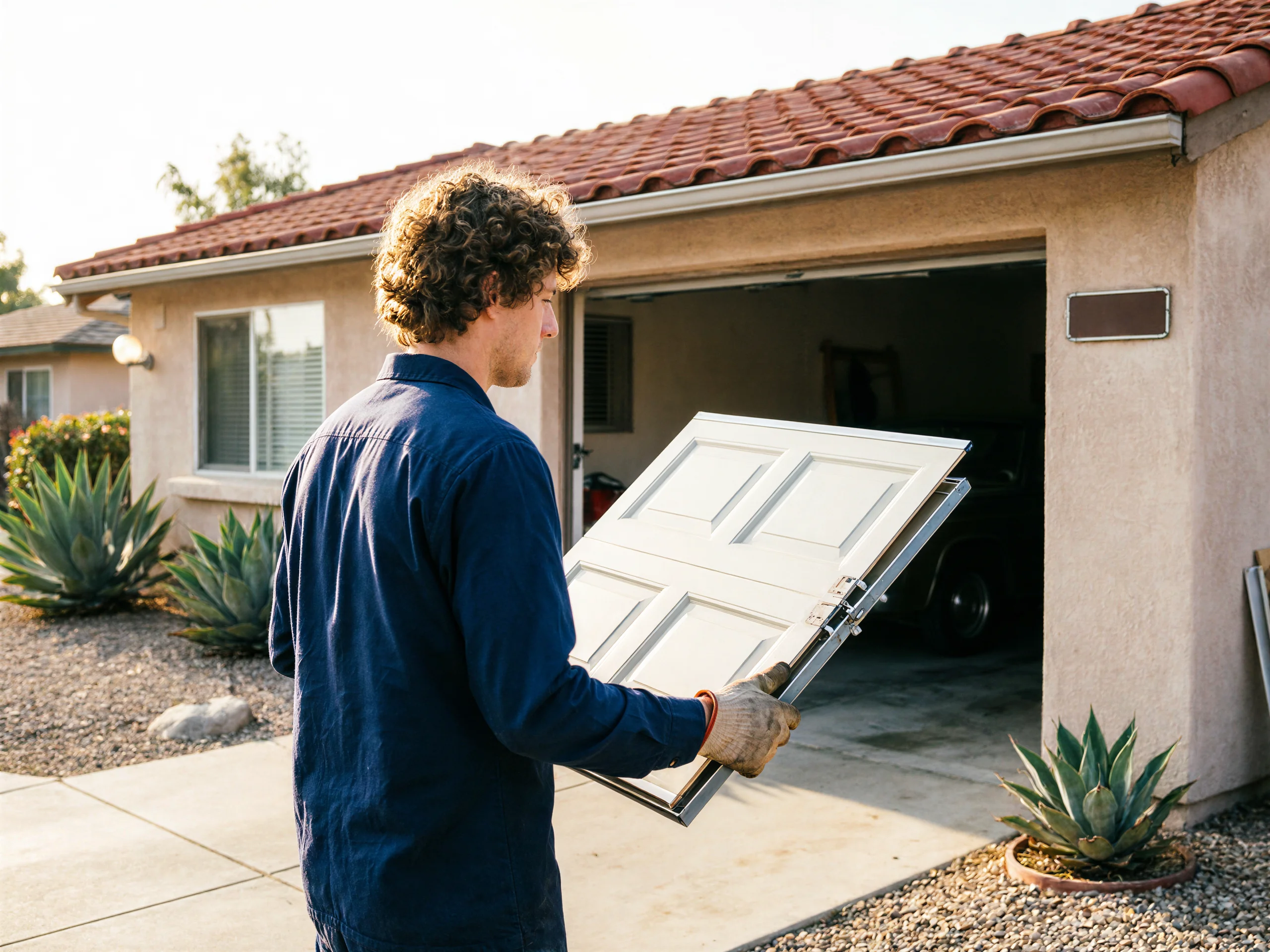
If the panels are intact and it's spring, cable, or roller wear, repair is usually the right call and the more common job we see here. Replacement makes sense when the track is bent beyond adjustment or panels themselves are damaged, not just because the door is old.
Explore more
Ready when you are
Oceanside Garage Door Pros repairs and installs garage doors, springs and openers in Oceanside, CA and the surrounding area.